How Much Protein Do You Actually Need Daily? A Simple Indian Guide
Most Indian diets fall short on protein without anyone realising it. Here's how to calculate your real daily target and hit it with everyday food.
Ask ten people how much protein they need daily and you'll get ten different answers — usually a number copied from a bodybuilding forum that has nothing to do with their actual goal or body weight. Here's the version that's actually correct and realistic for an Indian diet.
The simple way to calculate your target
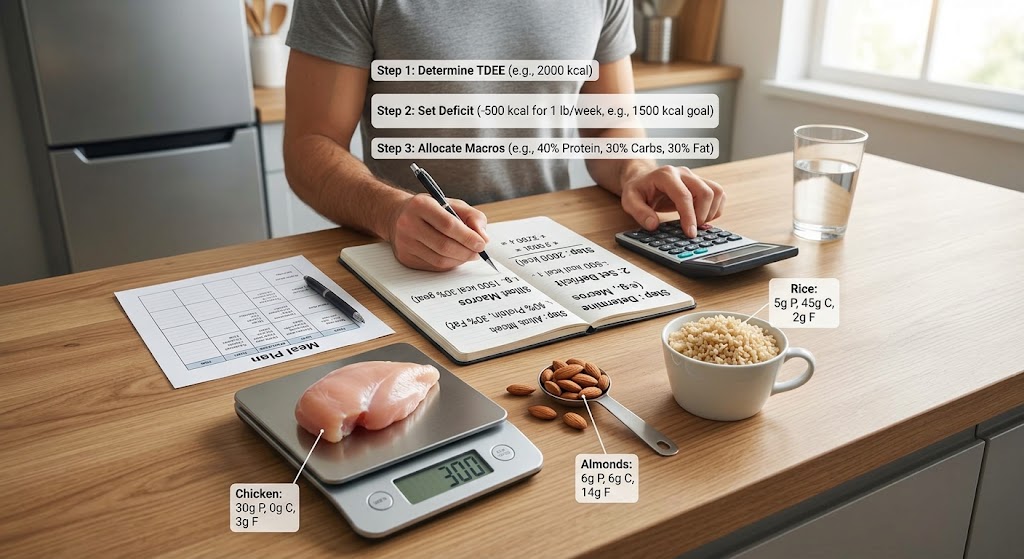
Protein needs scale with bodyweight and goal, not a flat number for everyone. As a general guide: sedentary adults need less, people in a fat-loss phase need more to protect muscle, and anyone strength training needs the most. The exact multiplier depends on your body weight and activity — the free Ideal Weight Calculator factors this in automatically alongside your calorie target.
Why Indian diets often fall short
A typical thali is carb-heavy by default — rice, roti, and potato sabzi show up more often than a protein-dense dish. Dal alone, while good, isn't enough on its own to hit a meaningful daily protein target once you account for realistic portion size. The fix isn't a supplement — it's rearranging what's already on the plate.
Everyday Indian protein sources
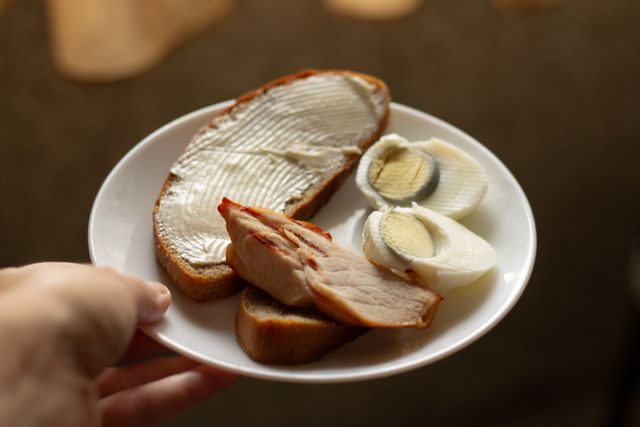
- Eggs — roughly 6g protein each, cheap and available everywhere
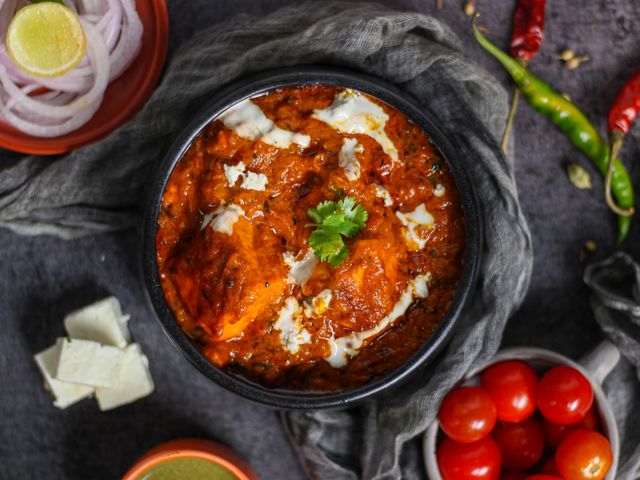
- Paneer — a reliable vegetarian staple, good in sabzi or eaten plain
- Curd/dahi — easy to add to any meal without extra cooking
- Dal, rajma, chana — solid plant protein, better when paired with rice for a complete amino profile
- Sprouts — a low-effort snack option that's protein-dense and filling
- Chicken and fish — for non-vegetarians, among the most efficient protein-per-rupee options
- Soy chunks — an underrated, cheap, high-protein staple that absorbs whatever masala it's cooked in
A real example: closing a 40g gap
Priya, 32, tracked her food for a week before starting a structured plan and was surprised to find she was eating barely half her actual protein target — despite feeling like she ate "a lot of dal." Her thali had dal, but in a small bowl once a day, nowhere near enough on its own.
The fix was simple in practice: an egg at breakfast, curd at lunch, and a larger dal portion at dinner. No protein shake, no diet overhaul — just three small additions across the day closed most of the gap within a week, and she noticed less hunger between meals almost immediately.
You don't need a protein shake before you need a protein-dense plate.
How to hit your number without overthinking it
- Add one protein source to every meal, not just lunch
- Swap one carb-heavy snack a day for a protein-heavy one (chana instead of chips)
- Use the free Indian Food Calorie Checker to see the actual protein count of what's on your plate before guessing
- Track for a week, not forever — most people are surprised by how far off their real intake is from what they assumed
- Spread protein across 3-4 meals instead of loading it all into dinner
Common mistakes
- Assuming dal alone covers the daily target — check the actual gram count, it usually doesn't
- Relying on protein powder while the rest of the diet stays carb-heavy — food first, supplement second
- Eating all the day's protein in one meal instead of spreading it across 3-4 meals for better absorption
- Ignoring protein entirely during a fat-loss phase, which is exactly when it matters most for preserving muscle
How to know your protein intake is on track
- Feeling fuller for longer between meals, without deliberately eating more volume
- Muscle and strength holding steady or improving even while in a calorie deficit
- Less mid-afternoon energy crash, since protein digests more slowly than refined carbs
- Hair and nail quality generally improving over a few months — a common secondary sign of adequate intake
FAQ
Can vegetarians hit high protein targets on an Indian diet?
Yes — paneer, dal, curd, soy chunks, and sprouts together can comfortably cover most targets. It takes more deliberate planning than a non-vegetarian diet, but it's very achievable.
Is too much protein bad for the kidneys?
For someone with healthy kidney function, research doesn't support this common worry at normal-to-high protein intakes used for fitness goals. Anyone with an existing kidney condition should follow their doctor's specific guidance.
Do I need a protein supplement?
Not necessarily — most people can hit their target through food alone with some planning. A supplement is a convenience tool for busy days, not a requirement.
Your first 30 days
- Week 1 — Track your actual protein intake for a few days to see the real starting point
- Week 2 — Add one protein source to the meal that's currently weakest (usually breakfast or snacks)
- Week 3 — Add a second protein source to another meal
- Week 4 — Check in on hunger and energy levels — most people notice a difference by now
If you want your exact protein target calculated for your body and goal — along with a full meal plan and workout split — check our 12-week program. It's built around Indian food, not imported meal plans.