Indian Diet Plan for Fat Loss: What to Eat Daily (No Starving Required)
Fat loss on an Indian diet doesn't mean giving up rotis and dal. Here's a practical daily structure built around what's already in your kitchen.
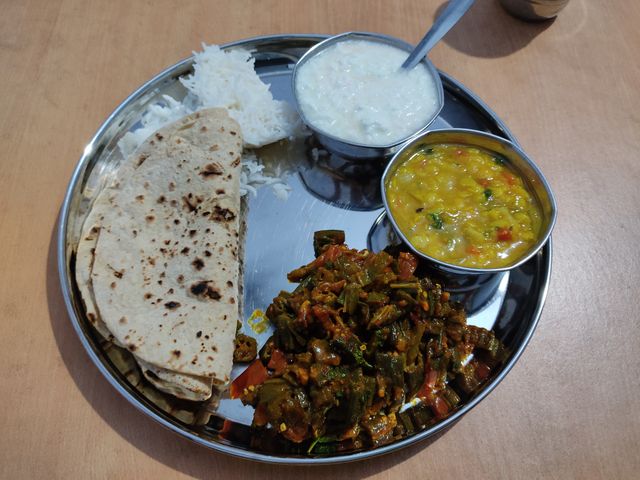
"I'll just stop eating rice and rotis" is how most fat-loss attempts in India begin — and how most of them end two weeks later, exhausted and back to square one. Fat loss isn't about removing entire food groups. It's about getting the plate right, and this guide breaks down exactly how.
Why most Indian diet plans fail before week two
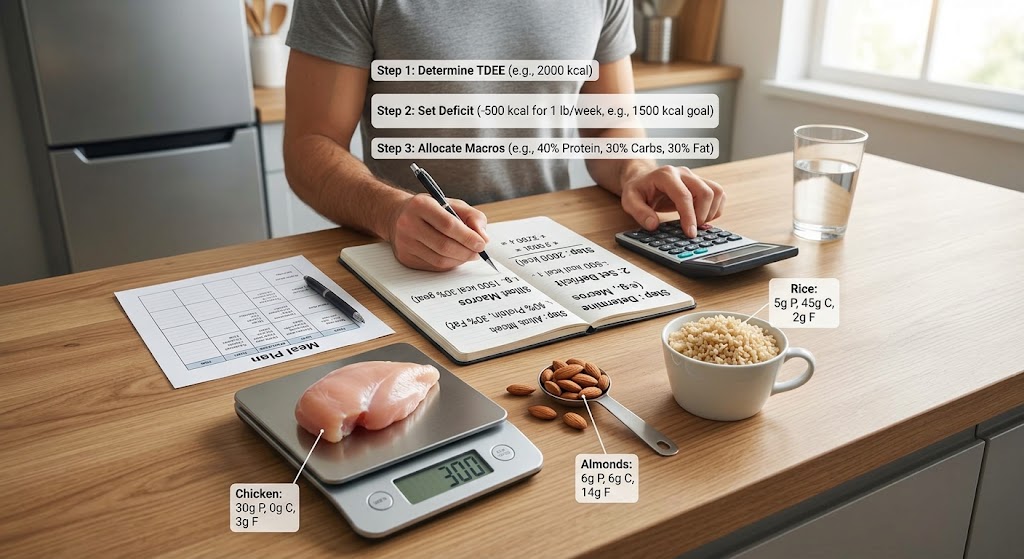
Copy-pasted Western meal plans built around oats, chicken breast, and broccoli three times a day don't survive contact with an Indian kitchen, a joint family dinner table, or a real grocery budget. The plan that works is the one you can actually follow on a Tuesday night when everyone else is having dal-chawal — not the one that looks impressive on paper.
The fix isn't a different cuisine. It's better portions and better balance within the food that's already on your table every day.
A realistic daily structure
- Breakfast: 2 eggs or a bowl of poha/upma with extra vegetables, plus a protein source (paneer, sprouts, or a glass of milk)
- Lunch: 1-2 rotis or a small bowl of rice, a generous portion of dal or rajma, a vegetable sabzi, and salad or curd
- Evening snack: roasted chana, a fruit, or makhana instead of packaged biscuits
- Dinner: similar to lunch but lighter on rice/roti, with an extra portion of vegetables or dal
The part almost everyone skips: protein
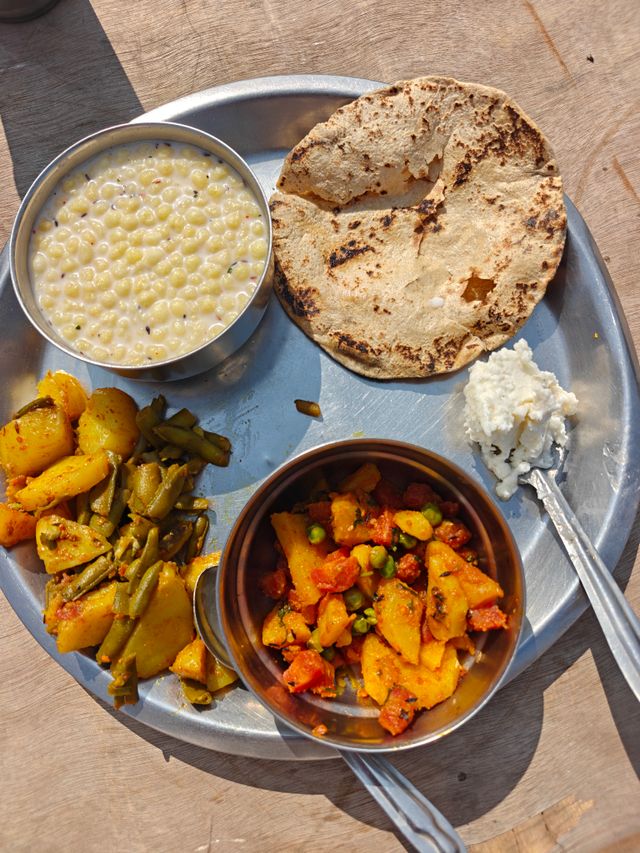
Most Indian diets are carb-heavy and protein-light — dal alone won't hit your daily target once you account for real portion sizes. Add a protein source to every meal: eggs, paneer, curd, sprouts, chicken, or fish depending on preference. This is the single biggest lever for fat loss without muscle loss, and it's usually the easiest thing to fix once you actually notice it's missing.
A real example: fixing the plate, not the cuisine
Meera, 29, works in Hyderabad and had tried cutting out rice completely for a month — she lost some weight but felt drained by week three and gave up, gaining most of it back within a month of going back to normal eating.
The second time around, she kept her rice and roti but halved the portion, doubled her dal serving, and added a boiled egg to breakfast and a bowl of curd to lunch. Same foods, same kitchen, same family meals — just rebalanced. She lost weight more slowly, around 0.4 kg a week, but felt normal the entire time and was still at her new weight three months after reaching it.
Fat loss fails at the grocery list stage, not the willpower stage.
Building a plate that actually works
- Half the plate: vegetables and salad — bulk without excess calories
- A quarter of the plate: protein — dal, paneer, eggs, chicken, or fish
- A quarter of the plate: carbs — rice or roti, portioned rather than removed
- A side of curd or buttermilk most meals — protein plus digestion support
Common mistakes to avoid
- Cutting rice/roti to zero — this usually backfires into a binge within a week, so reduce portions instead of eliminating
- Drinking calories — sweetened chai, fruit juice, and soft drinks add up fast without feeling like "food"
- Frying everything in the same amount of oil as before — switch to roasting, steaming, or air-frying where possible
- Not tracking anything at all — even a rough daily check-in on what you actually ate catches problems early
- Treating a wedding or festival meal as a failure — one meal doesn't undo a week of consistency, and treating it that way often triggers a full quit
How to know your diet is actually working
- Waist measurement shrinking week over week, even when the scale is noisy
- Energy staying steady through the afternoon instead of crashing
- Hunger feeling manageable, not desperate — a sign the deficit isn't too aggressive
- Weekly average weight trending down even if individual days bounce around
FAQ
Do I need to give up rice completely to lose fat?
No. Portion control works better long-term than elimination for almost everyone. A smaller serving of rice alongside more dal and vegetables is more sustainable and just as effective for a moderate deficit.
Is ghee okay during fat loss?
In small, measured amounts, yes — it's calorie-dense, so a teaspoon on dal or roti is fine, but pouring it freely across every dish adds up fast without you noticing.
What if my family eats a different way than my diet plan?
Adjust portions and additions rather than cooking separate meals — a smaller roti portion plus an extra egg or bowl of curd fits into almost any family meal without anyone needing to cook twice.
Check your plate before you guess
Not sure how many calories are actually in your thali? Use the free Indian Food Calorie Checker — search common Indian dishes, build your plate, and see a running total of calories, protein, carbs, and fat. No app download, no signup.
Your first 30 days
- Week 1 — Keep eating normally but log it, just to see the real baseline
- Week 2 — Halve rice/roti portions, add one protein source per meal
- Week 3 — Swap one packaged snack a day for a whole-food option (chana, fruit, curd)
- Week 4 — Check waist measurement and weekly average weight, adjust portions slightly based on the trend
If you'd rather have this structured for you exactly — a full weekly meal plan matched to your calorie target, plus a workout split and a coach on WhatsApp — our 12-week program does that for a one-time fee, no monthly subscription.