How to Lose Belly Fat: A Realistic Guide That Works
Spot reduction doesn't exist. Here's the combination that actually shrinks belly fat, and how long it realistically takes.

Belly fat is the most searched fitness topic in the world, and also the most misunderstood. No exercise burns fat from one specific spot on your body. Your body decides where it loses fat from, based on genetics, hormones, and how long you've carried the weight — not on how many crunches you did that morning. The good news: you can still lose belly fat. It just happens as part of losing fat everywhere, not as an isolated event, and understanding why makes the whole process far less frustrating.
Why belly fat is stubborn
Fat around the stomach behaves differently from fat elsewhere. Visceral fat — the kind that sits around your organs, not just under the skin — is more metabolically active and more strongly linked to stress hormones like cortisol. That's why sleep-deprived or constantly stressed people tend to hold onto belly fat even when they eat carefully. It's not just about the food. Chronic stress and poor sleep can keep this fat locked in place regardless of your workout intensity.
Genetics also decide your fat distribution pattern. Some people store fat on the hips and thighs first; others store it on the stomach, and some carry it more evenly. You can't change your pattern, only the total amount of fat you're carrying. This is also why two people eating the same diet and training the same way can look completely different as they lose weight — one loses their stomach first, the other loses it last. Neither is doing anything wrong.
Age and hormonal changes also shift where fat sits. Around midlife, many people notice fat redistributing toward the midsection even without a change in overall weight. This is a normal shift in hormone levels, not a sign that something has gone wrong with your metabolism, and it responds to the same basic principles as any other fat loss.
What actually works
- Eat in a calorie deficit — consistently, not perfectly
- Prioritize protein at every meal to preserve muscle while losing fat
- Strength train 3-4 times a week — muscle keeps your metabolism higher
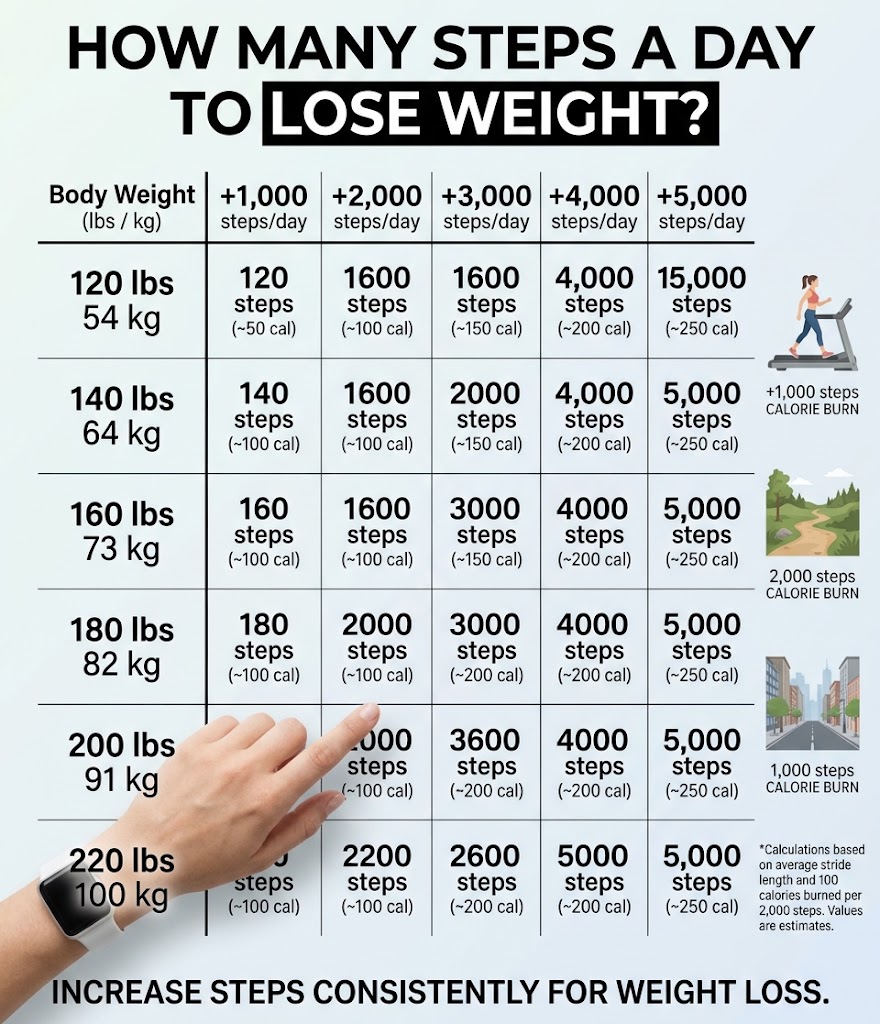
- Walk more — 7,000-10,000 steps a day adds up to real weekly calorie burn
- Sleep 7+ hours — poor sleep raises cortisol and hunger hormones
- Cut liquid calories first — sugary drinks, juices, and alcohol add up fast without filling you up
- Manage stress with something outside the gym — even a short daily walk or a consistent wind-down routine helps
None of these require special equipment or supplements. They require consistency, which is genuinely the hard part. Most people already know this list in some form. What they're missing isn't information — it's a realistic structure that fits their actual week.
Belly fat is the last to arrive and the last to leave. Patience beats intensity.
How your training should actually look
Full-body strength training 3-4 times a week does more for belly fat than hours of ab exercises. Ab exercises strengthen your core muscles — useful for posture and lower-back health — but they sit under the fat layer, not on top of it. You won't see them until the fat covering them is gone, and that only happens through a calorie deficit.
Cardio helps by adding to your total calorie burn, but it's not mandatory. Walking, cycling, swimming, or any activity you'll actually do consistently works. The best cardio is the one you don't dread. High-intensity interval training can burn more calories per minute, but if it leaves you too sore or exhausted to train consistently, a moderate walk you'll do every single day beats an intense session you'll skip after week two.
Strength training matters more than most people realize for this specific goal. Muscle tissue burns more calories at rest than fat tissue does, so the more muscle you carry into a calorie deficit, the higher your metabolism stays throughout the process. This is also why crash diets that skip training tend to leave people looking "smaller but softer" — they lost muscle along with the fat, rather than just the fat.
The role of diet quality, not just quantity
Calories decide whether you lose weight. Food quality decides how you feel while losing it, and how sustainable the process is. Meals built around protein, vegetables, and fiber-rich carbs keep you fuller for longer on fewer calories than meals built around refined carbs and fried food. This isn't about "clean eating" as a moral category — it's a practical tool. A diet where you're constantly hungry rarely survives more than a few weeks.
Alcohol deserves a specific mention here because it's one of the most underestimated sources of stubborn belly fat. Beyond the calories in the drink itself, alcohol lowers your inhibitions around food choices, disrupts sleep quality, and gets prioritized by your liver for processing ahead of fat burning. Cutting back on frequency, even without eliminating it completely, is one of the highest-leverage changes available for someone specifically targeting belly fat.
Common mistakes
- Doing endless crunches expecting visible results — fix: focus on total body fat loss instead
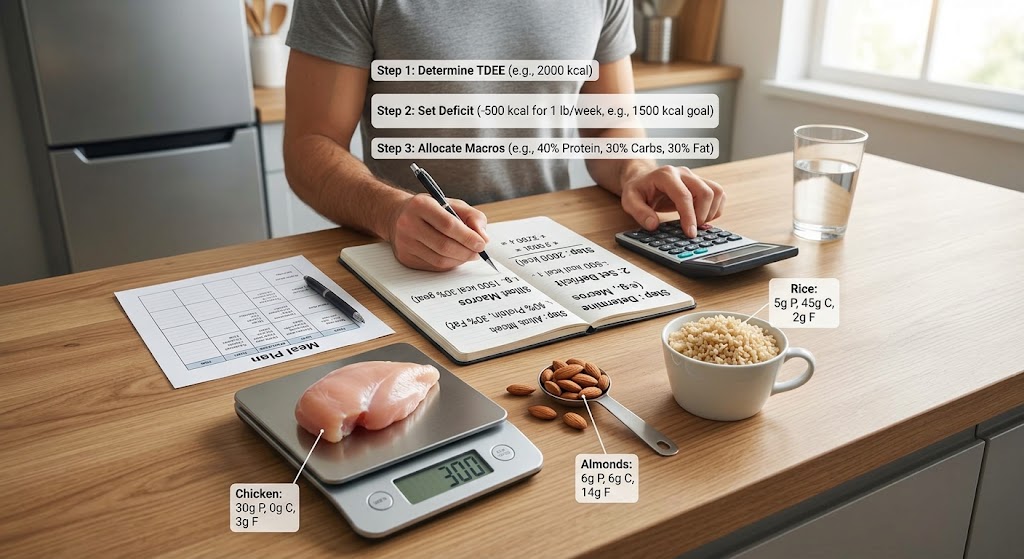
- Cutting calories too aggressively and losing muscle along with fat — fix: aim for a moderate deficit of 300-500 calories a day
- Ignoring sleep and stress while obsessing over food — fix: treat 7+ hours of sleep as part of the plan, not optional
- Judging progress only by the scale — fix: also track waist measurement and how clothes fit
- Giving up after two weeks because the belly hasn't visibly changed — fix: expect visible changes closer to 6-8 weeks of consistency
- Relying on detox teas, waist trainers, or fat-burning supplements — fix: none of these create a calorie deficit, which is the only thing that actually removes fat
How to know it's working
- Waist measurement drops, even if the scale weight is slow to move
- Clothes around the waist fit looser
- Energy improves through the day
- Strength in the gym holds steady or improves, showing you're not losing muscle
- Sleep quality improves as body composition improves
- Bloating and digestive discomfort reduce as fiber and water intake stabilize
Does the type of exercise matter for belly fat specifically
There's no single "best" exercise for belly fat, but some approaches make the overall process easier to sustain. Strength training preserves and builds muscle while you're in a deficit, which keeps your metabolism higher than dieting alone. Walking is low-impact enough to do daily without burning you out, which matters because total weekly activity adds up to more than any single intense session. Structured cardio, done a couple of times a week, adds to your calorie burn without demanding the recovery time that daily high-intensity training does. The right mix is usually a combination of all three, weighted toward whichever you'll actually keep doing months from now.
Many people ask specifically about walking after meals, since it's become a popular tip. It's genuinely useful — a short walk after eating can modestly improve blood sugar response and adds to your daily step count — but it's a small addition on top of the fundamentals, not a substitute for them.
FAQ
Can I lose belly fat without losing weight elsewhere? No. Fat loss is a whole-body process. You can influence how much muscle you keep in the process, but not where the fat comes off first. Your genetics decide the order; consistency decides the outcome.
How long does it take to lose belly fat? For most people eating in a steady, moderate deficit with regular training, visible changes around the waist show up in 6-8 weeks, with more meaningful change by 3-4 months. People carrying more total body fat often see the waist respond faster than people who are already fairly lean, since there's more to lose overall.
Do ab workouts help at all? Yes, for core strength and posture, and for how your stomach looks once the fat layer is gone. They just don't burn fat directly from that area. A strong core also makes every other lift and movement pattern safer and more efficient.
Is belly fat more dangerous than fat elsewhere? Visceral fat around the organs is associated with higher health risks than fat stored just under the skin elsewhere on the body, which is part of why reducing it matters beyond appearance. This is a good reason to treat belly fat as a health priority, not only an aesthetic one.
Putting it together
- Set a moderate calorie deficit and track it for at least 2 weeks before adjusting
- Add strength training 3-4 times a week, full body
- Walk daily, aim for a step count you can sustain
- Protect your sleep — it affects hunger and stress hormones more than most people realize
- Cut back on alcohol and sugary drinks before cutting anything else
- Re-measure your waist every 2 weeks, not every day
Belly fat responds to the boring stuff done consistently — not to any single trick. If you want this structured for you, with a clear meal plan, a workout schedule, and a coach on WhatsApp to keep you accountable, check our 12-week program.